Non-Shaven FUE: Natural & Discreet Hair Restoration
A Non-Shaven FUE is a permanent hair restoration option that continues to gain popularity in 2025—particularly among individuals seeking to address hair thinning or baldness while maintaining discretion. This technique is well suited for those who value their appearance and privacy, prefer not to draw attention to having undergone a hair transplant, and wish to return to their normal daily routine without an extended recovery period.
At Hairtran Clinic, Non-Shaven FUE procedures are performed using advanced technologies such as the WAW DUO FUE System and Implanter Pen for follicle extraction and graft implantation. These tools are designed to support precise handling of hair follicles, minimize tissue trauma, and promote optimal graft placement. As a result, the procedure aims to achieve natural-looking outcomes with small incision sites and a smoother recovery process.
What Is a Non-Shaven hair transplant?
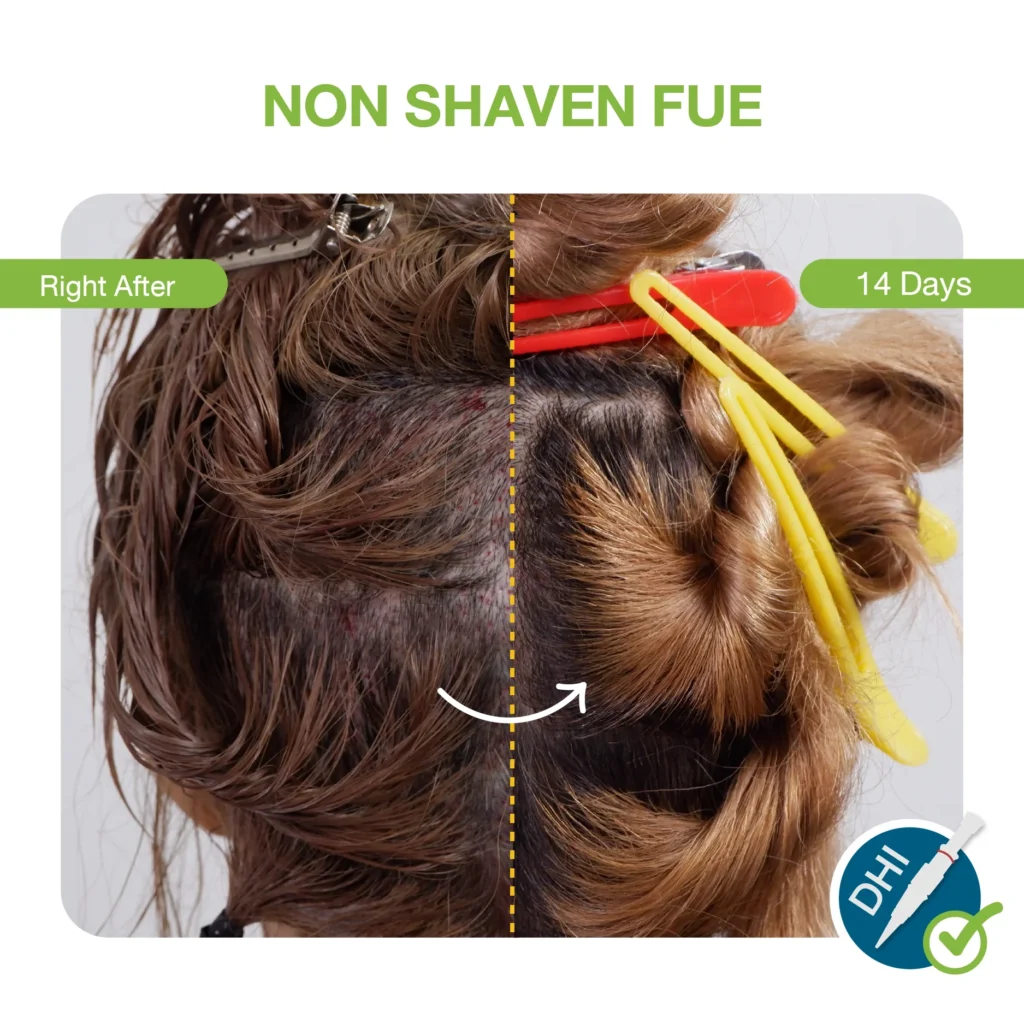
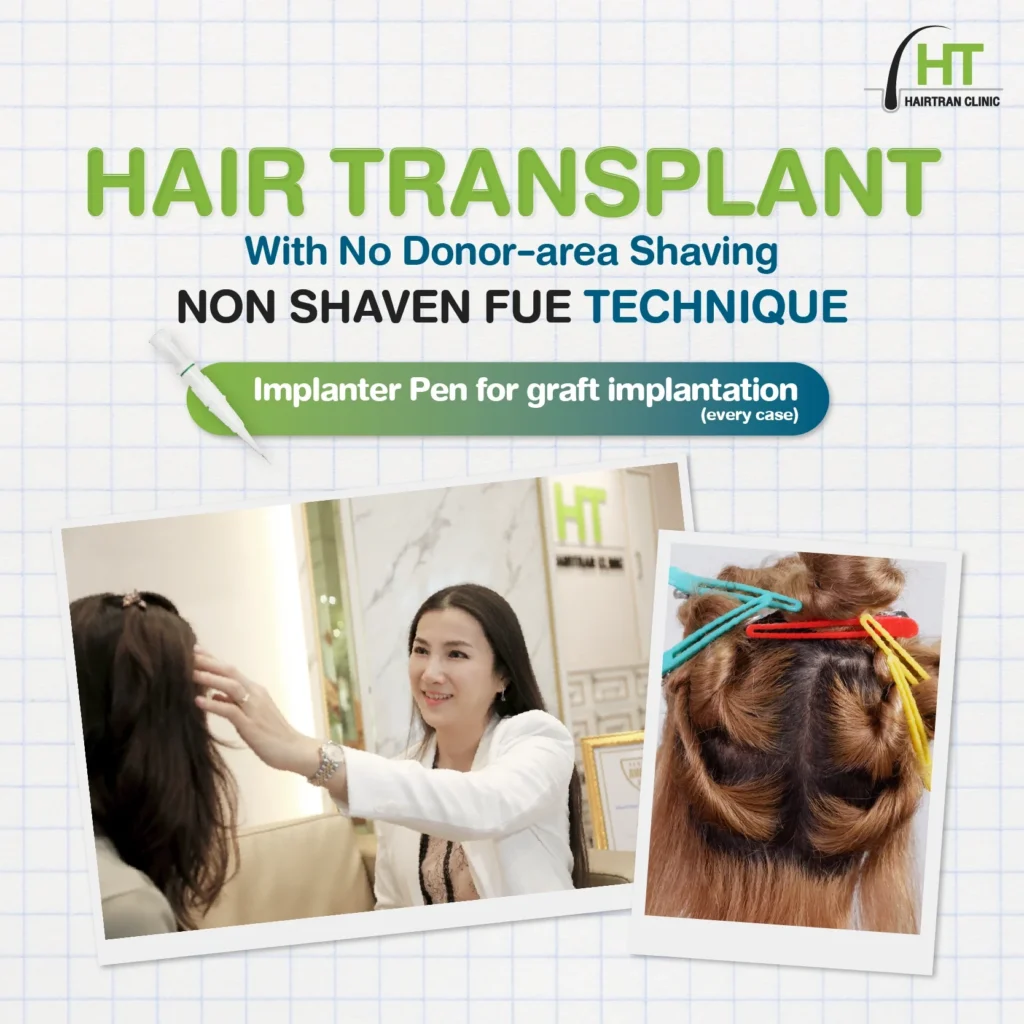
A Non-Shaven hair transplant, or Non-Shaven FUE, is a technique in which a physician harvests hair follicles from the back or sides of the scalp (the donor area) without shaving the hair, unlike many other hair transplant methods.
One key advantage is that existing hair can help conceal the donor area from the very first day after the procedure. This makes it a practical option for patients who wish to return to work, meet others, or continue their normal daily routine without feeling concerned about visible signs of treatment or noticeable changes in hairstyle.
The Non-Shaven Technique for Discreet Donor Area Healing
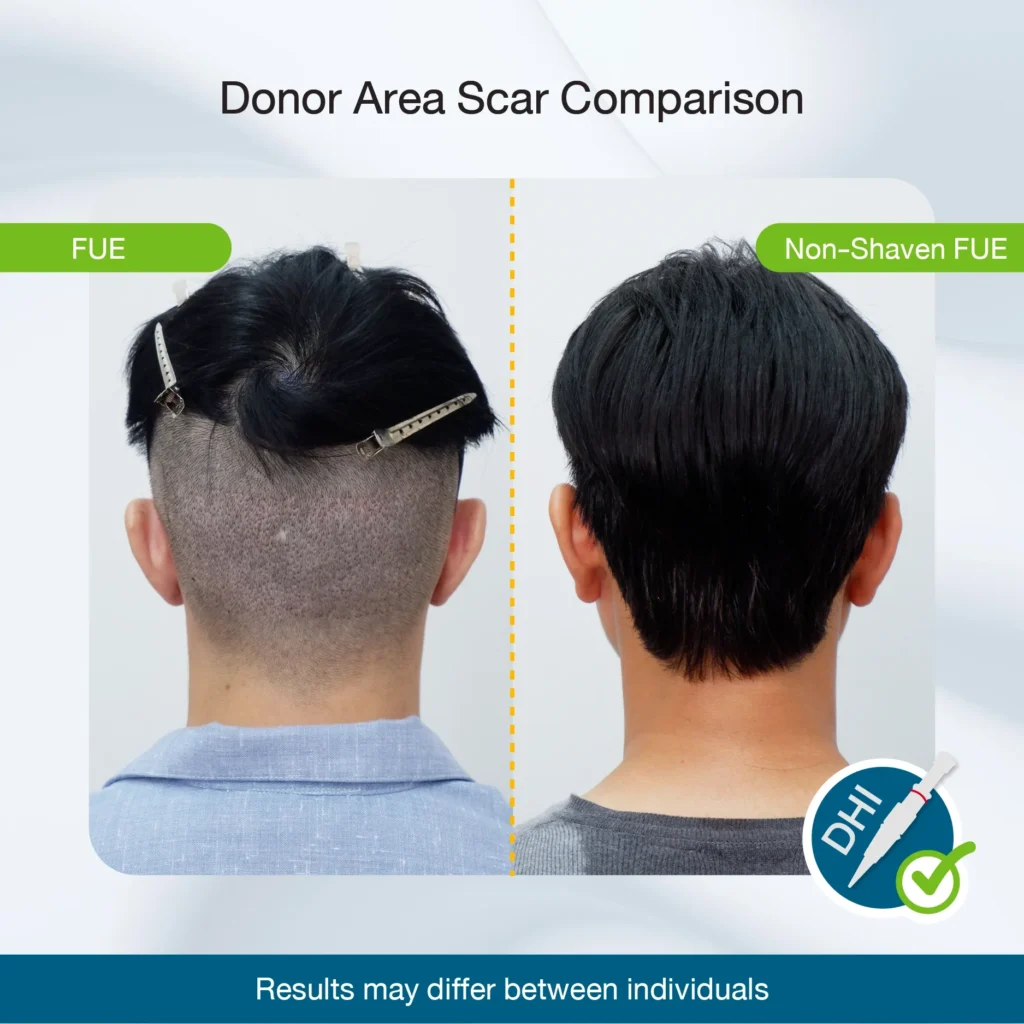
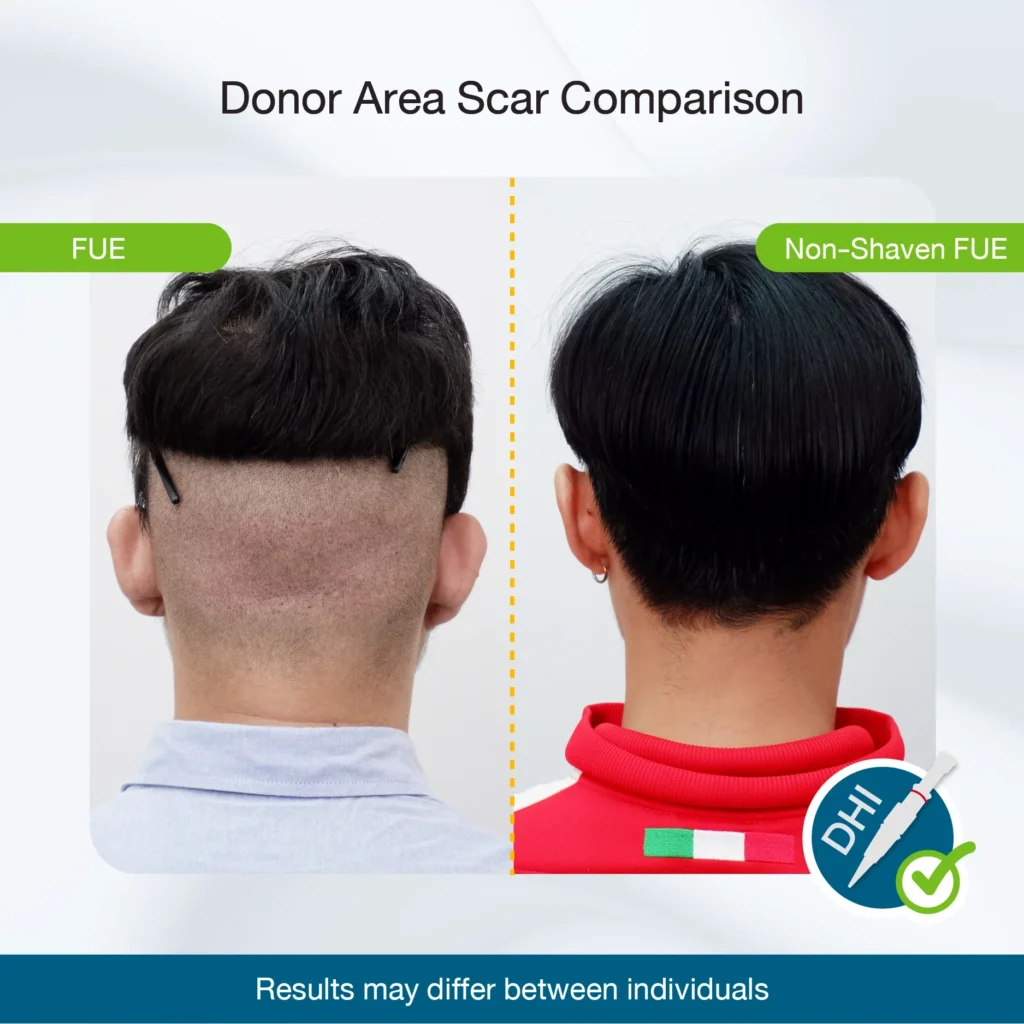
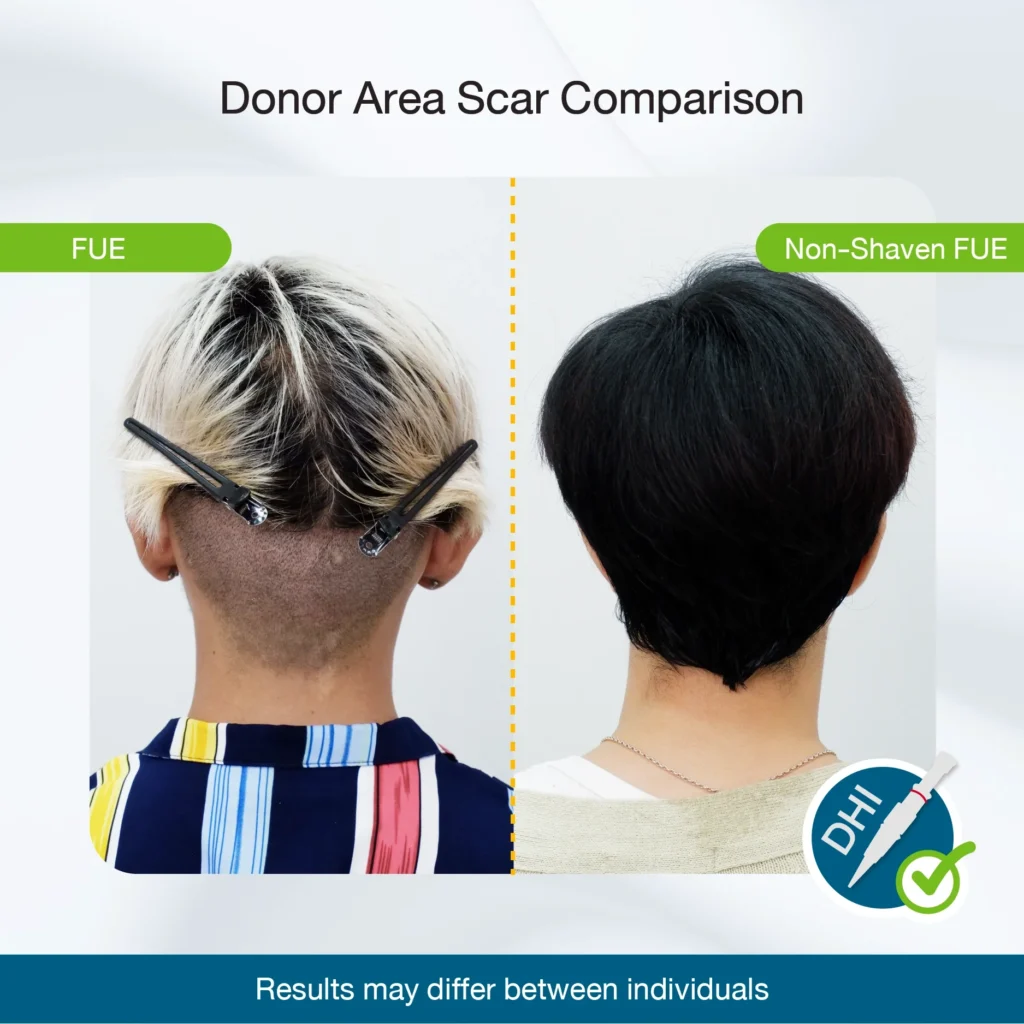
The appearance of the donor area at the back of the scalp is a common concern after hair transplantation. When compared with other techniques, FUT leaves a linear scar from a strip excision of the scalp, which may be more noticeable when hair is worn short or when the hair is wet.
With shaven FUE, although the extraction sites are small, they can still be visible in the early stages, as the hair in the donor area is fully shaved.
In contrast, Non-Shaven FUE is designed to help keep donor area marks less noticeable. Hair follicles are selectively harvested from specific points, resulting in small, dispersed extraction sites that are naturally covered by surrounding hair. This approach allows the donor area to remain discreet and minimizes visible signs of the procedure during everyday activities.
Donor Area Healing After Hair Transplantation
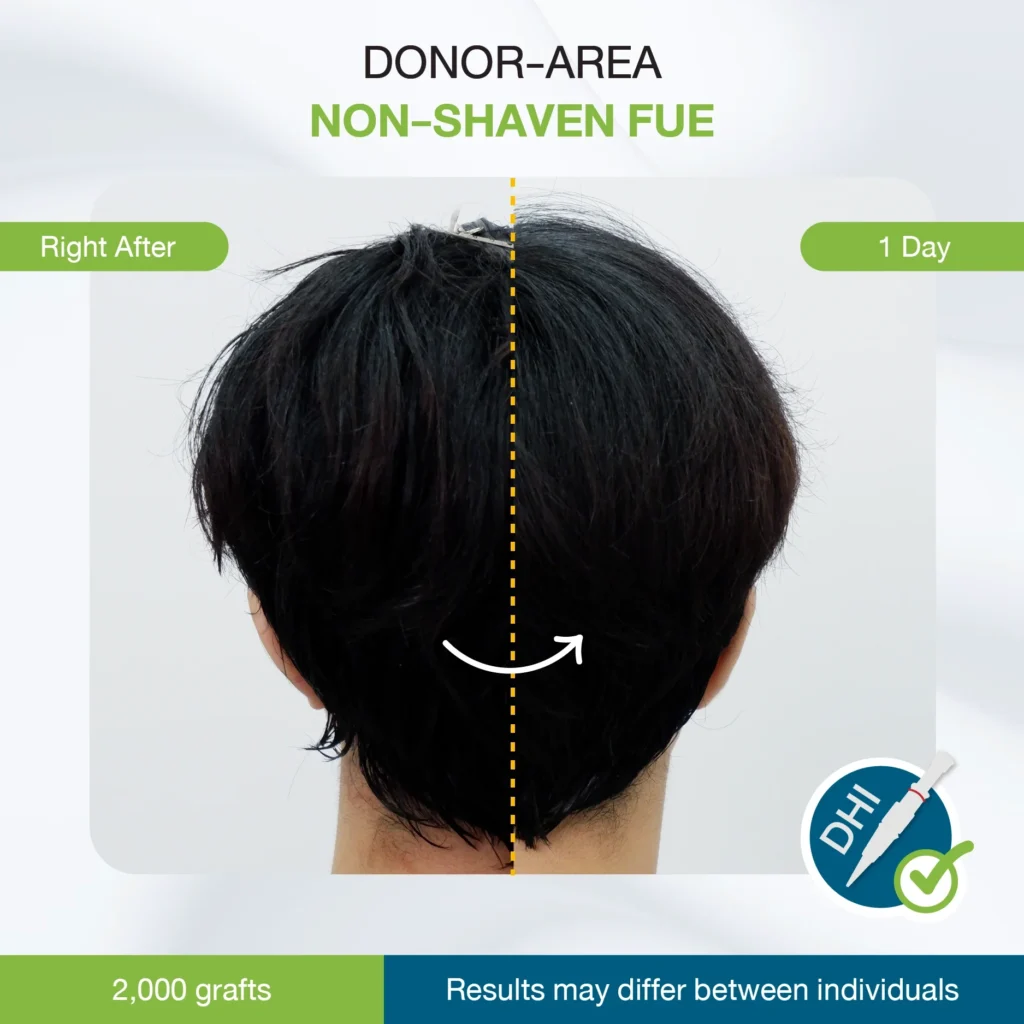
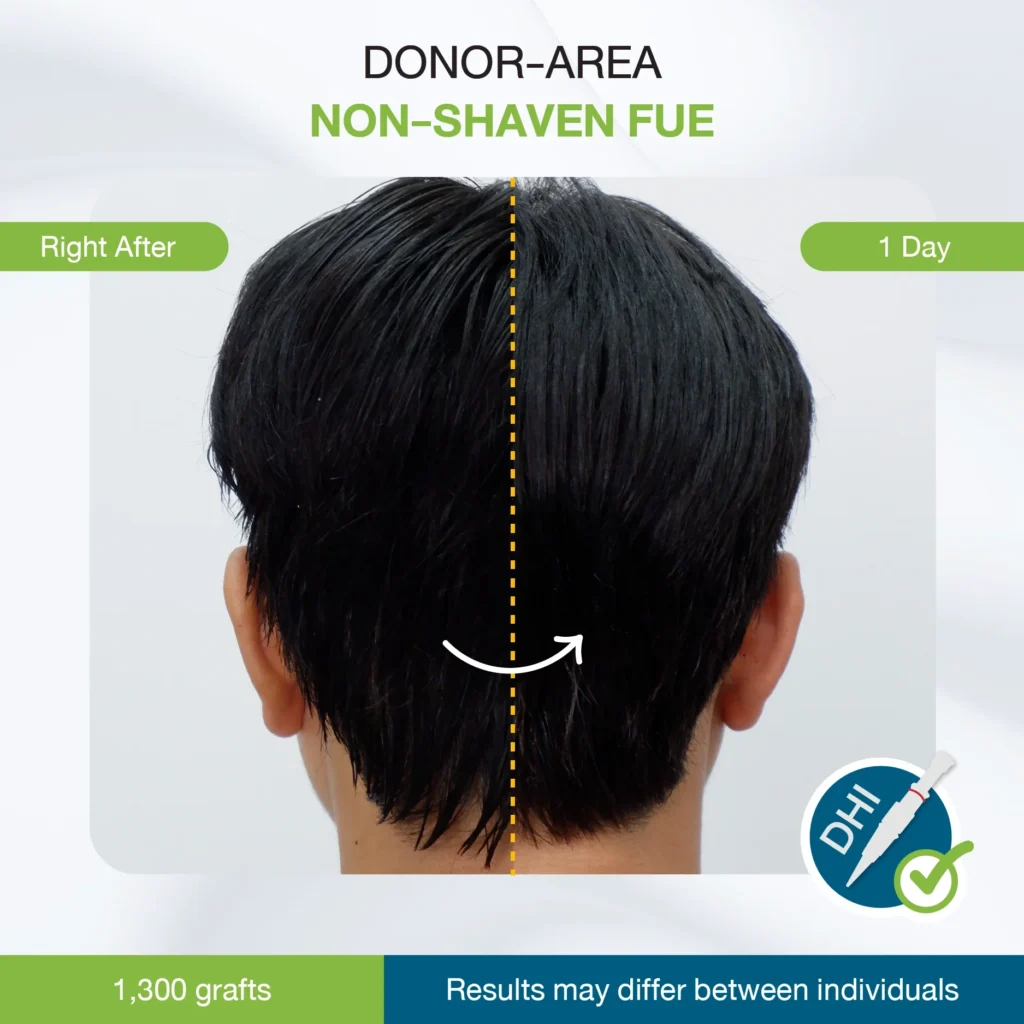

Note: Both techniques follow the same graft extraction and implantation process. The key difference lies in hair shaving—standard FUE requires shaving the donor area, while Non-Shaven FUE preserves existing hair to help conceal the donor sites.
Donor Area Appearance 1 Day After Hair Transplant: FUE vs. Non-Shaven FUE
Steps of the Non-Shaven FUE Procedure
A Non-Shaven hair transplant is a medical procedure that requires careful planning at every stage—from hairline design to graft implantation—to support a natural-looking result that suits each individual. For that reason, let’s walk through the Non-Shaven FUE process step by step so you can better understand what to expect.
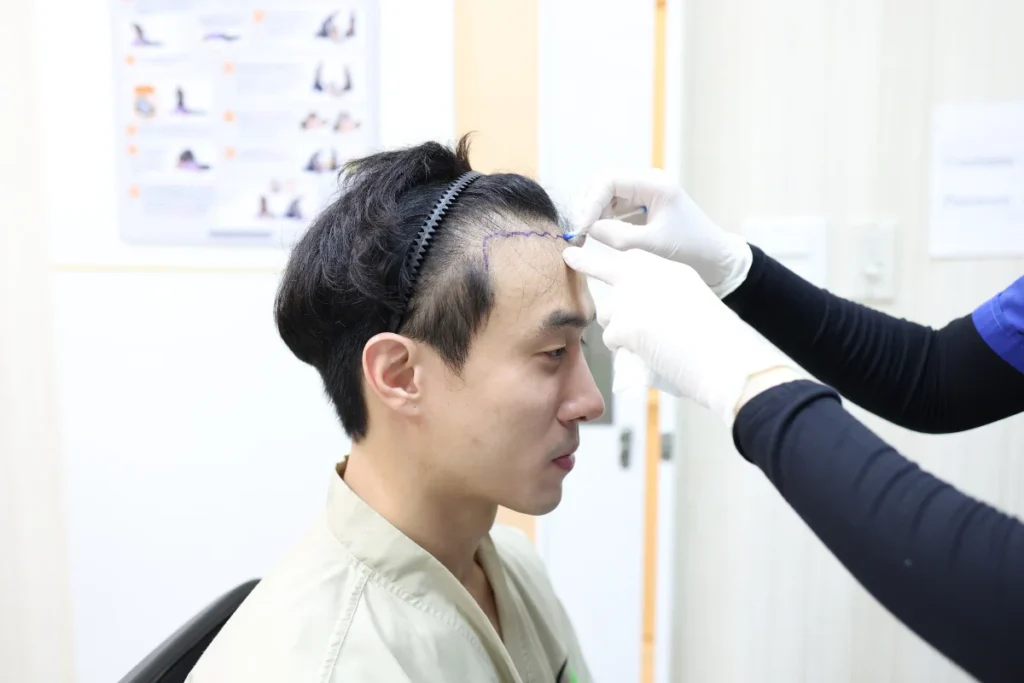
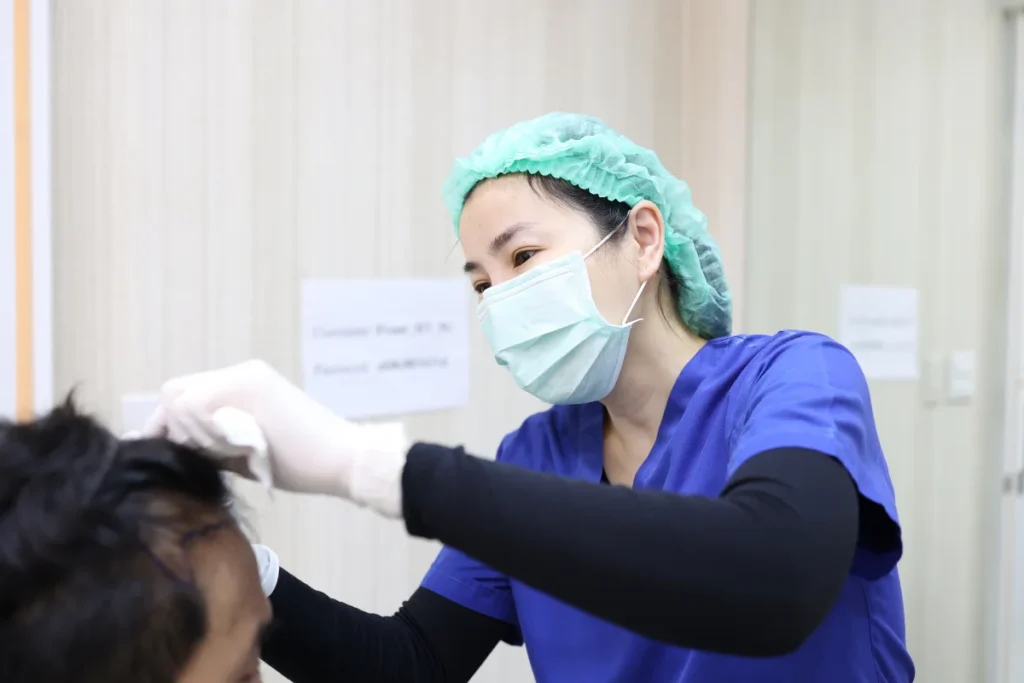
1. Hairline Design
The first step involves designing the hairline using the principles of Facial Thirds, in which the face is divided into three proportional sections. This approach helps guide the placement of the new hairline so it aligns harmoniously with your facial structure and existing hair. The design is carefully adjusted based on factors such as age, gender, and individual characteristics to support a natural and balanced appearance.
2. Local Anesthesia
A Non-Shaven FUE procedure is typically performed as a minor outpatient procedure using local anesthesia in the areas where follicles are harvested and implanted. Patients remain awake throughout and usually do not require general anesthesia. This helps avoid the additional considerations associated with major surgery, and most patients can return home shortly after the procedure.
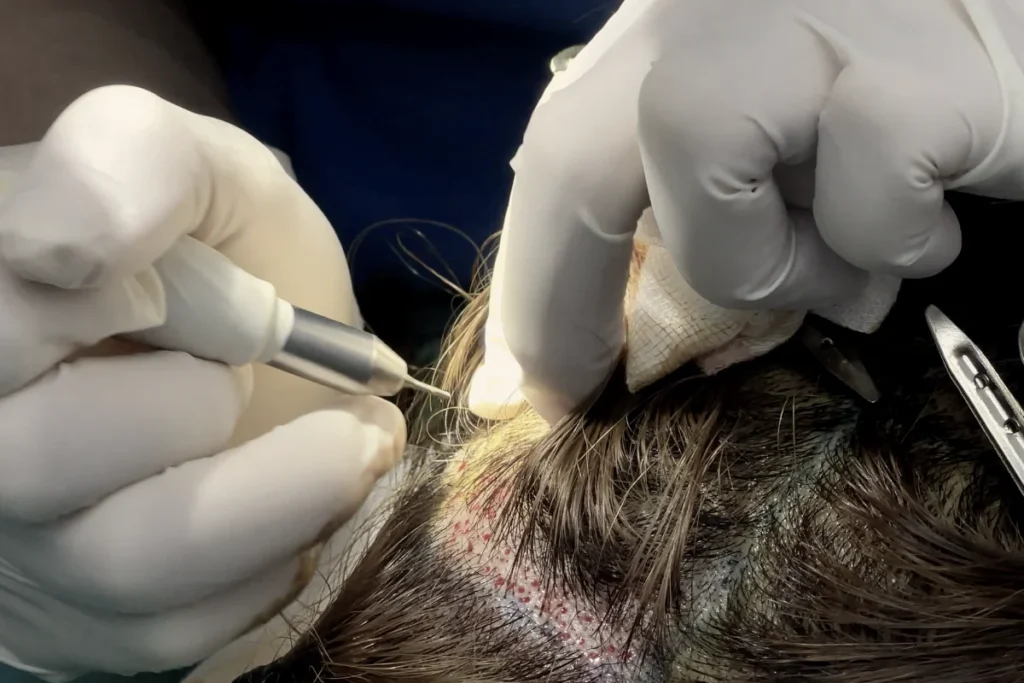
3. Follicle Harvesting from the Donor Area
At Hairtran Clinic, physicians use the WAW DUO FUE System, a fine, specialized instrument designed for follicle extraction, to harvest grafts one by one from the back of the scalp (the donor area) or the sides of the head. These regions are commonly selected because donor hair is typically robust and tends to be less affected by hair-loss hormones.
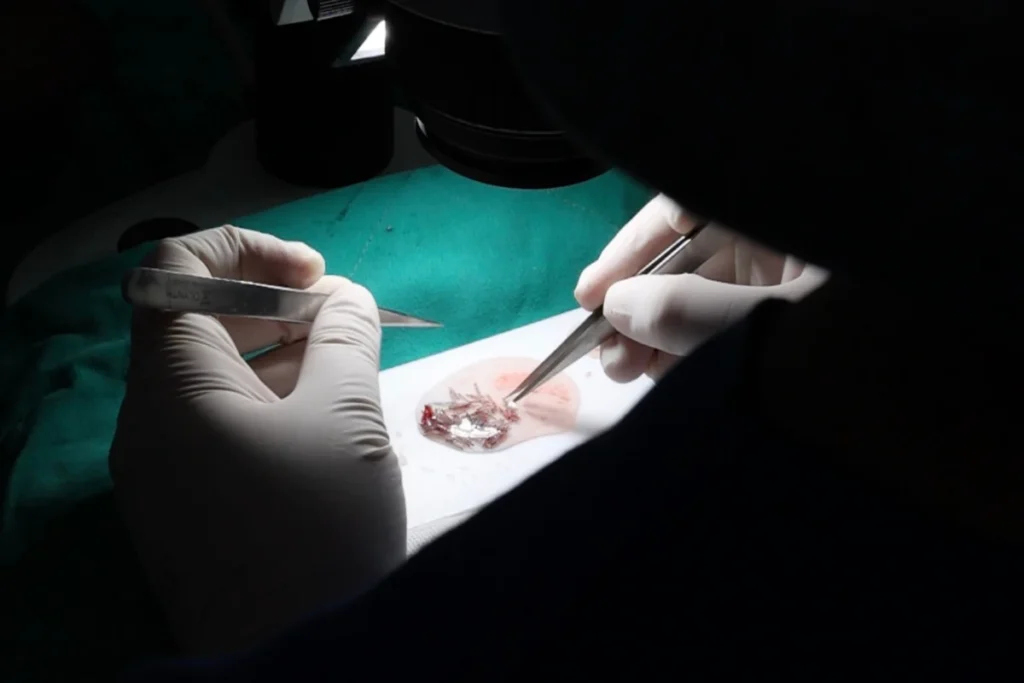
4. Graft Selection and Quality Assessment
The harvested grafts are carefully separated and examined under magnification by the physician and medical team. Only intact and healthy follicular units are selected for implantation, helping to support optimal graft handling and promote favorable conditions for new hair growth.
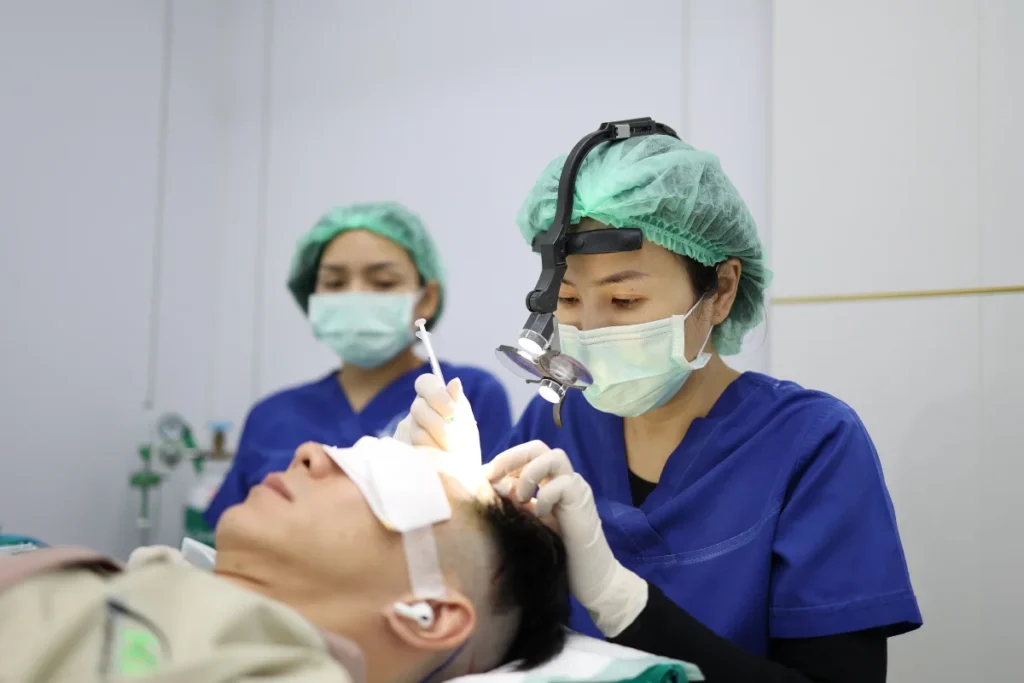
5. Graft Implantation and Hairline Refinement
The final step of a Non-Shaven FUE procedure is graft implantation and hairline refinement to ensure the new hairline blends naturally with your existing hair. This stage is especially important, as grafts must be placed with careful attention to position, angle, and direction so that new growth follows a natural pattern and appears well aligned.
Why Choose the Non-Shaven FUE Technique?
There are several reasons why many patients choose the Non-Shaven FUE approach:
- High graft survival potential when performed under appropriate clinical conditions
- No need to shave the donor area, unlike some other techniques
- Donor area remains discreet, as existing hair helps cover the extraction sites
- A natural appearance from the early post-procedure period, as transplanted hair blends with existing hair
- Minimal downtime, allowing many patients to resume normal activities, including work, shortly after the procedure

How Much Does Non-Shaven FUE Cost?
In 2025, Non-Shaven hair transplantation continues to be as popular as standard FUE, as it allows the donor area to remain unshaven—supporting both privacy and convenience in daily life after the procedure.
At Hairtran Clinic, the cost of a Non-Shaven FUE hair transplant is 100 THB per graft. This fee covers the full treatment pathway, including hair and scalp assessment, the procedure itself, and comprehensive post-procedure care for up to one year, along with a Low-Level Laser Therapy (LLLT) program to support scalp and hair health.

In every case, an Implanter Pen is used to minimize follicle trauma and support high graft survival and hair growth potential under appropriate clinical conditions.
Hair Transplant Results at Hairtran Clinic
Because a successful outcome should look natural, each hair transplant at Hairtran Clinic is approached with individualized hairline planning. Our physicians design every hairline specifically for each patient to ensure the new hairline blends seamlessly with existing hair and complements the overall facial appearance.
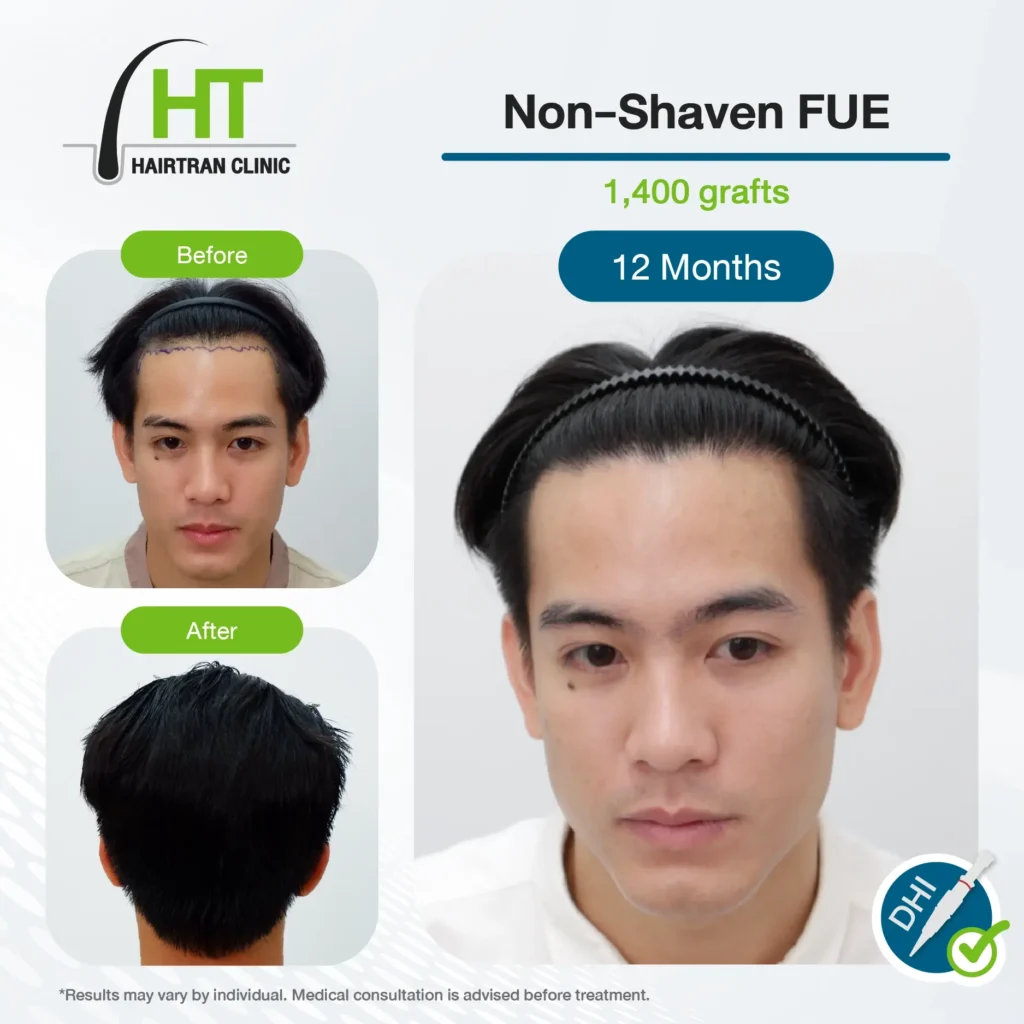
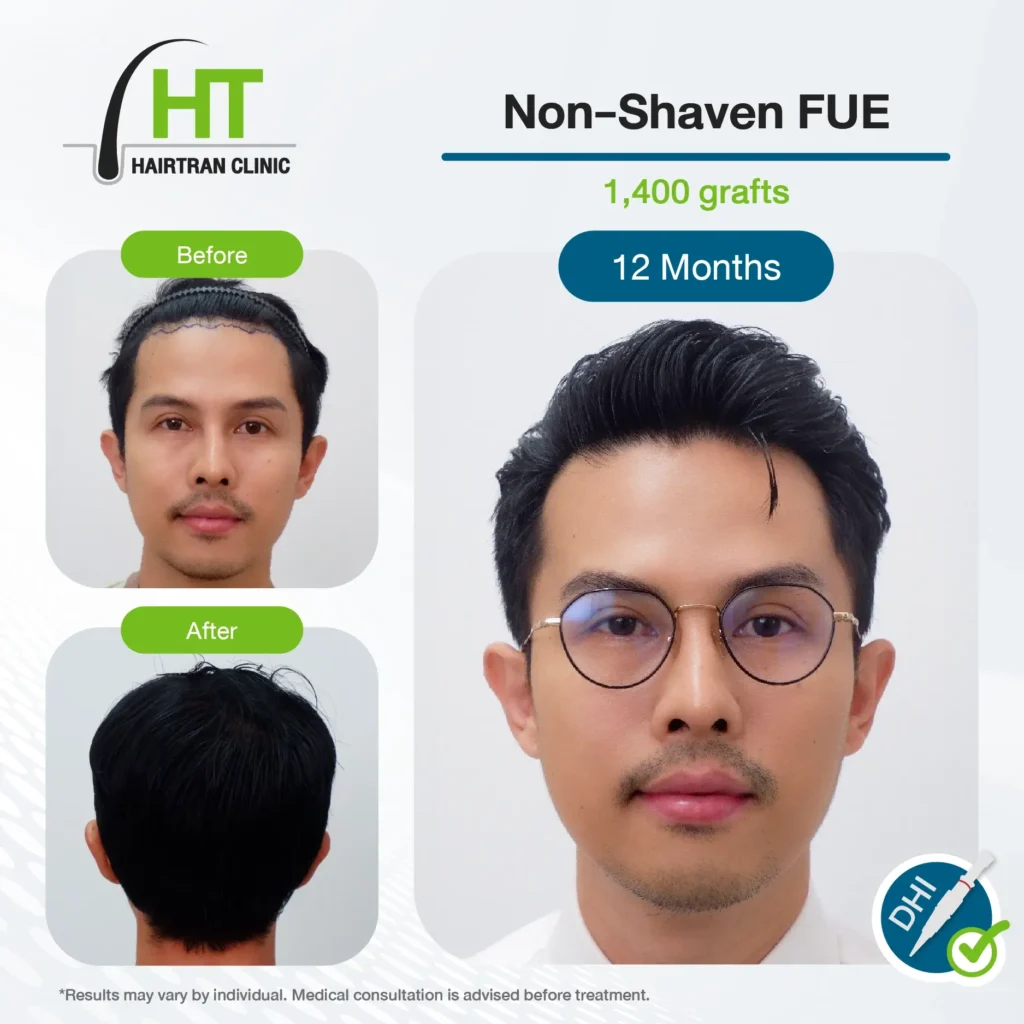
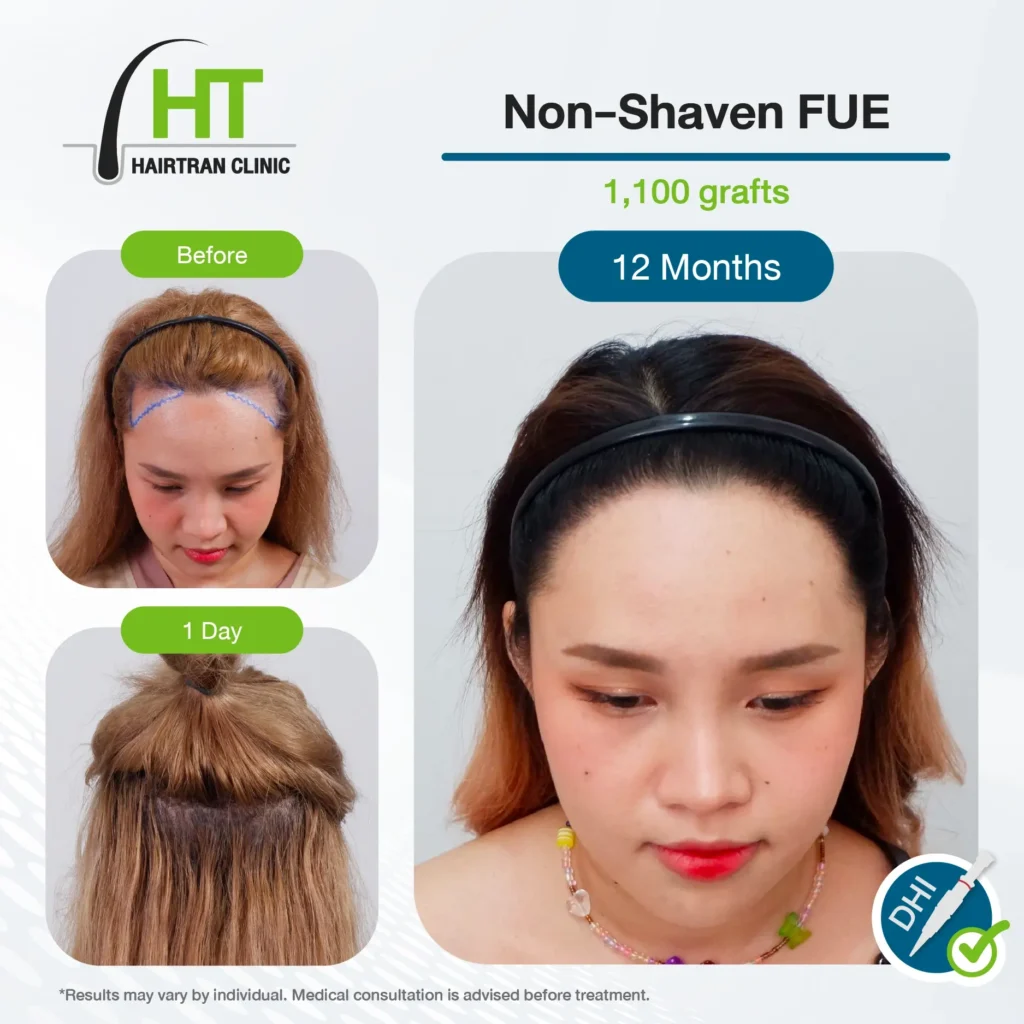
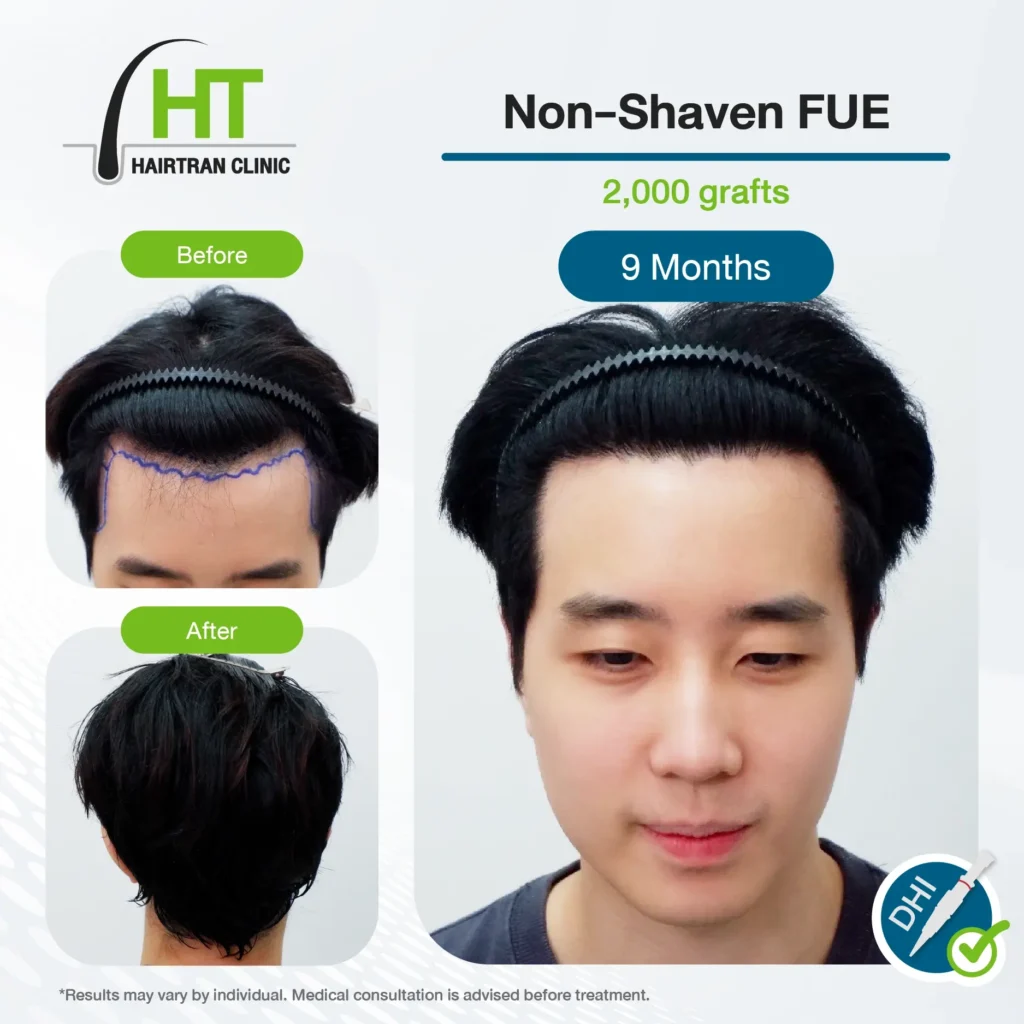
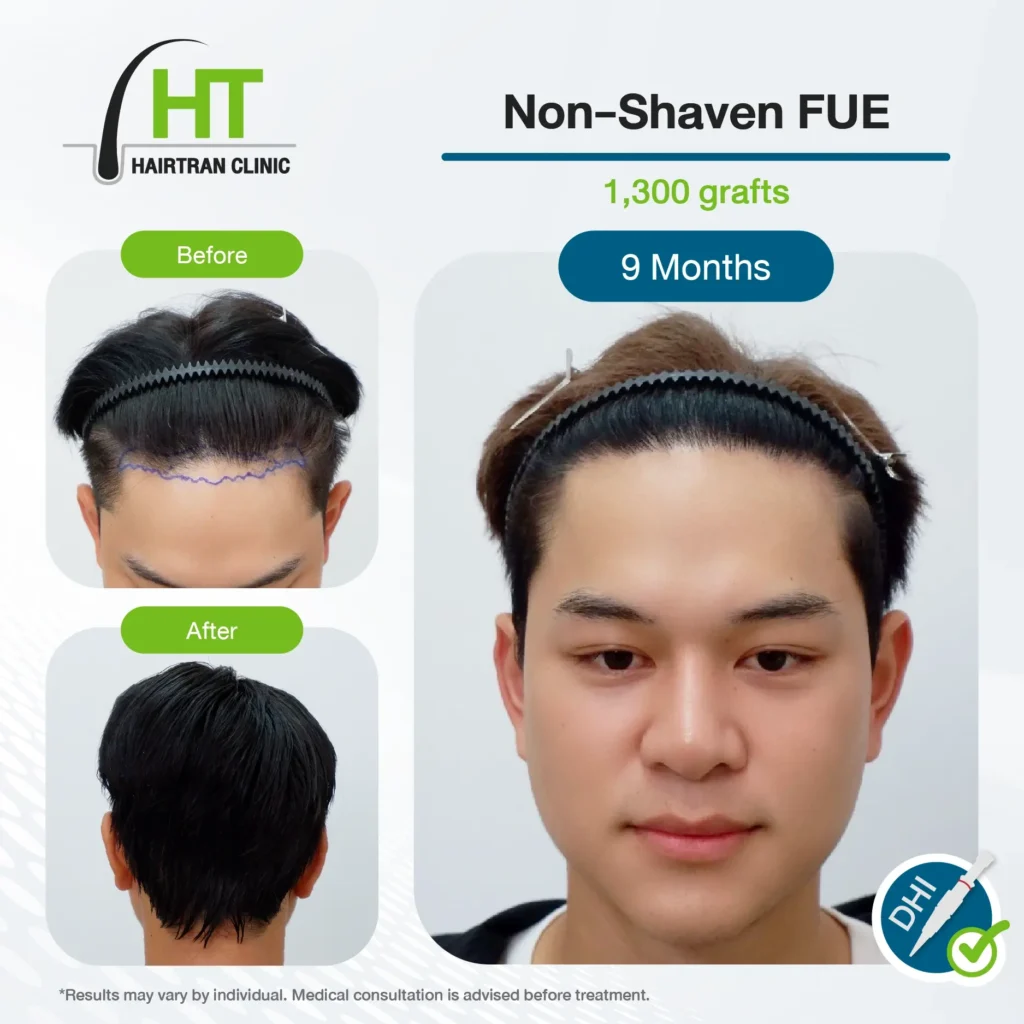
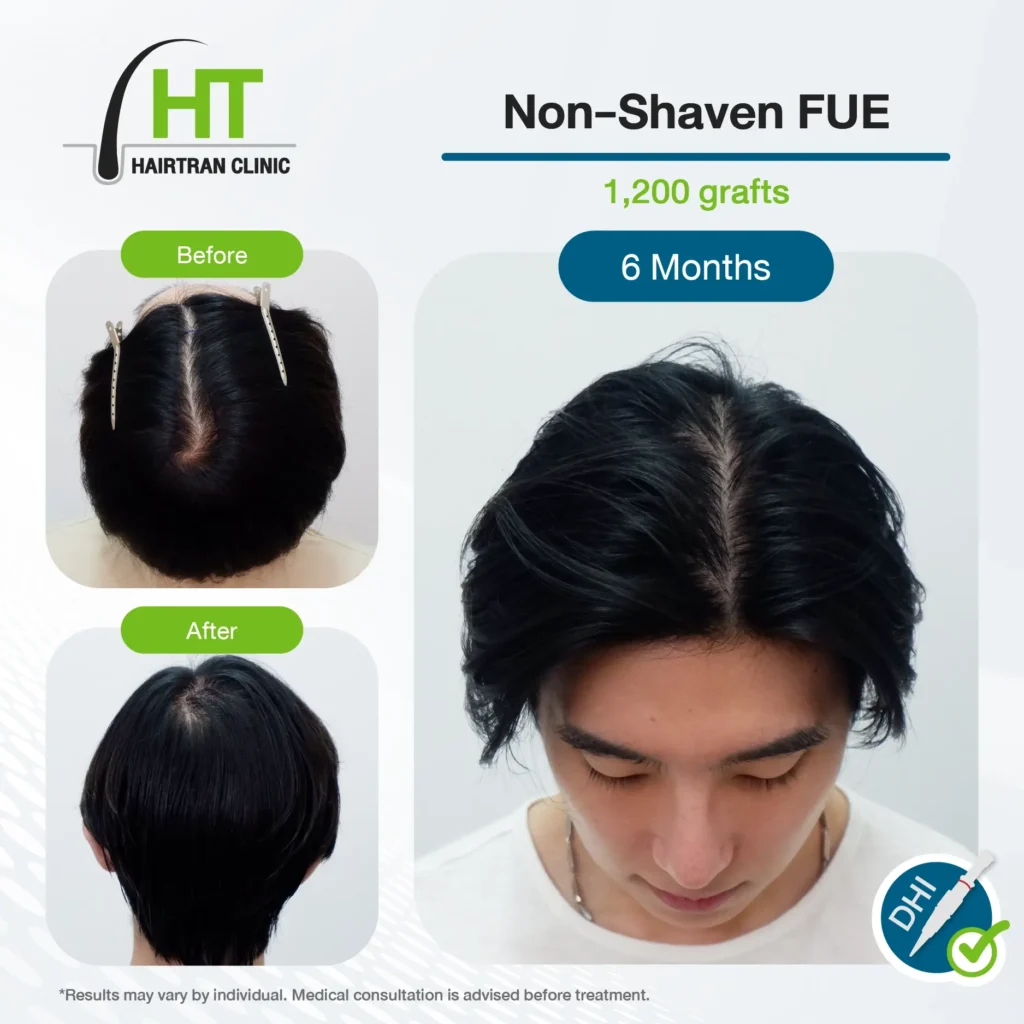
Note: Results of a Non-Shaven hair transplant may vary between individuals, depending on the number of grafts transplanted, post-procedure care, and the physician’s assessment.
Timeline and Key Notes for Permanent Hair Transplantation
After a permanent hair transplant, many patients wonder when new hair will begin to grow and how long it takes to see clearer improvement. Hair growth follows a natural cycle, and typical timelines may include the following:

- 2 weeks after the procedure: Transplanted hairs may start to shed and enter the resting phase (telogen). This is a common and expected part of the recovery process.
- 3 months after the procedure: New hair may begin to emerge as fine strands. Early growth is often limited and may vary between individuals, and the transplanted hairline may start to become easier to notice.
- 6 months after the procedure: Hair commonly becomes more noticeable in density and coverage. Many patients observe a more defined appearance and improved fullness over time.
- 12 months after the procedure: Results are often more mature, with stronger, thicker regrowth. Hair typically becomes easier to style as it continues to develop.
Before & Aftercare: Tips for a Successful Transplant
Proper care before and after your hair transplant is essential to ensure your new hair grows strong, natural-looking, and long-lasting. Below are key guidelines to help you achieve the best possible results.
Pre-Procedure Preparation
Proper preparation ensures a smooth and safe hair transplant procedure. Please follow these guidelines before your surgery:
- Inform your doctor of any existing medical conditions and all medications or supplements you are taking.
- Discontinue blood-thinning medications — such as Aspirin, Plavix, fish oil, and certain vitamins — as advised by your doctor.
- Please keep your hair at least 3 centimeters in length to ensure sufficient hair coverage for the procedure.
- Stop alcohol consumption and smoking at least 14 days prior to surgery to promote better healing and graft survival.
- Dye gray or light-colored hair to black before the procedure to improve visibility during graft placement.
- Have a light breakfast on the day of surgery, but avoid tea or coffee, which can increase bleeding risk.
- Do not apply hair gels, sprays, or styling products on the day of surgery.
- Complete an HIV test, which is required before every procedure.
- Wear a button-down shirt to avoid disturbing the transplanted area when changing clothes after surgery.
Post-Procedure Care
Proper aftercare is essential for optimal scalp healing and graft survival. Please follow these key steps after your hair transplant:
- Avoid picking or scratching scabs on the scalp to prevent dislodging grafts and causing infection.
- Wash your hair gently with room-temperature water; avoid hot water as it can irritate the scalp.
- Do not use high-pressure water when washing — strong force can dislodge new grafts.
- Avoid activities that cause heavy sweating (e.g., intense exercise, sauna) for the first 14 days.
- Protect your scalp from direct sunlight for the first 14 days to prevent irritation and discoloration.
- Wait at least two months before perming, straightening, or coloring your hair to protect new grafts.
- Take all prescribed medications exactly as directed by your doctor.
- Attend all follow-up appointments to monitor healing and ensure your care plan stays on track.
Frequently Asked Questions
Common Questions About Non-Shaven Hair Transplantation
Is a non-shaven hair transplant painful?
Discomfort during the procedure is generally minimal, as local anesthesia is used. The procedure typically takes 4-8 hours. Afterward, some patients may experience mild tightness in the treated areas, which is usually temporary.
How long is the recovery period?
Most patients can resume their normal daily routine without an extended recovery period. Because the incision sites are small and discomfort is usually mild, downtime is limited. Patients are generally advised to avoid styling products and activities that cause heavy sweating or direct impact to the scalp for the first 14 days.
Are there any side effects with Non-Shaven FUE?
Hair transplantation is considered a low-risk medical procedure when performed by an experienced physician. Possible temporary effects may include mild swelling, redness, or itching during the early recovery period, which typically resolve on their own.
Is there a guarantee if the transplanted hair does not grow?
Hair transplant outcomes depend on multiple factors, including individual hair characteristics, post-procedure care, and the technique used. At Hairtran Clinic, we provide a one-year outcome assurance program.
If the results do not align with the treatment plan designed by the physician and the patient has attended all scheduled follow-up visits the clinic offers additional care within the coverage period at no extra cost, in accordance with clinical evaluation.
Begin Your Journey to New Hair
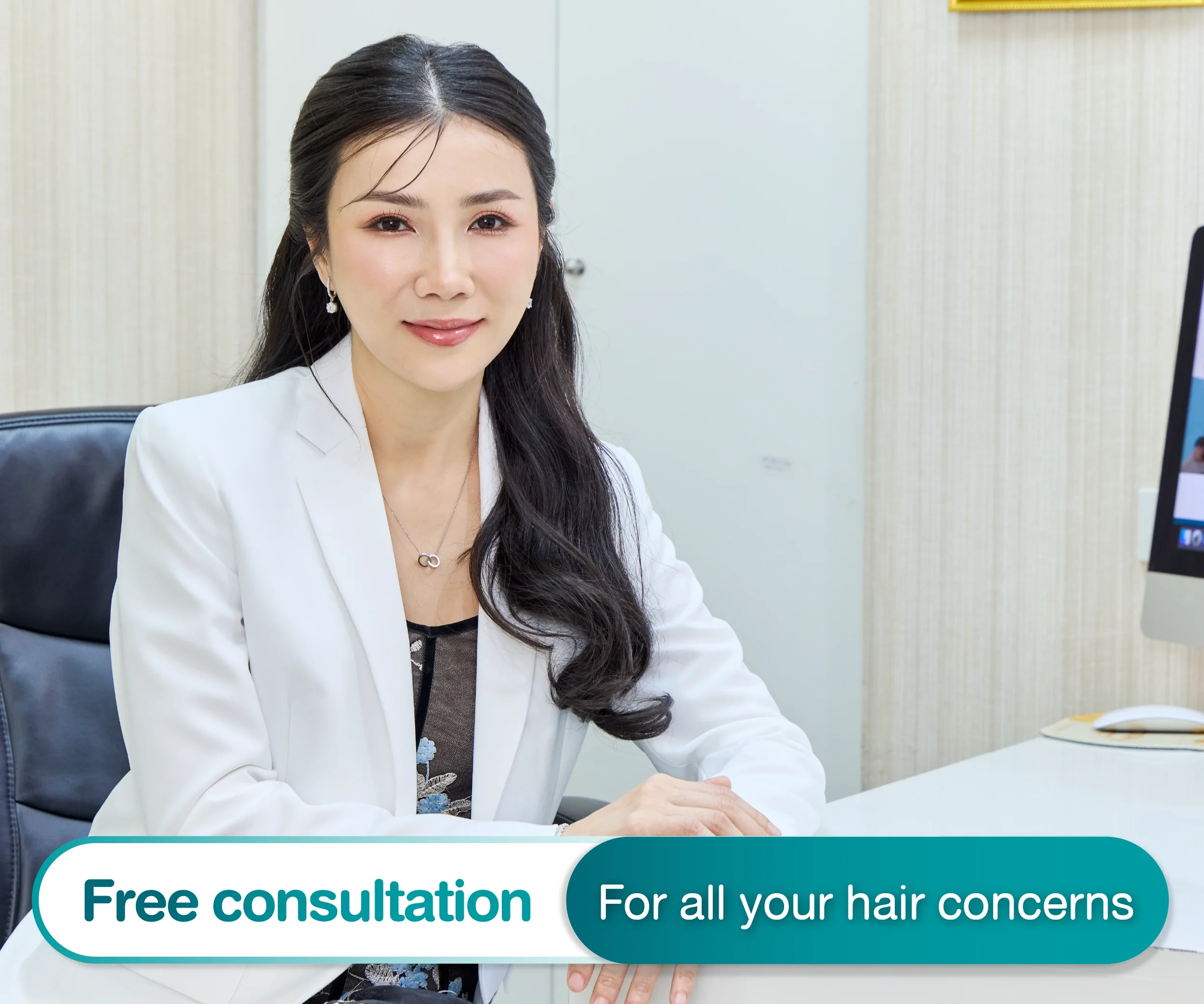
Take the first step towards natural, lasting results. Consult with us about any hair concerns and book your appointment today.



Contact Us
Operating Hours
Monday – Saturday
9:00 AM – 6:00 PM
Address
No.2 Quant, 3rd Floor, Unit B and C, Soi Sukhumvit 25, Sukhumvit Road, Khlong Toei Nua Sub-district, Wattana District, Bangkok 10110
Directions
Just a 3–5 minute walk from BTS Asok (Exit 6) and MRT Sukhumvit (Exit 2).

